Ball Handling and Dribbling Techniques
Mastering ball control forms the foundation of basketball excellence. This comprehensive overview examines essential dribbling fundamentals, progressive skill development methods, and practical exercises designed to enhance court performance and player confidence.
Fundamentals of Ball Handling
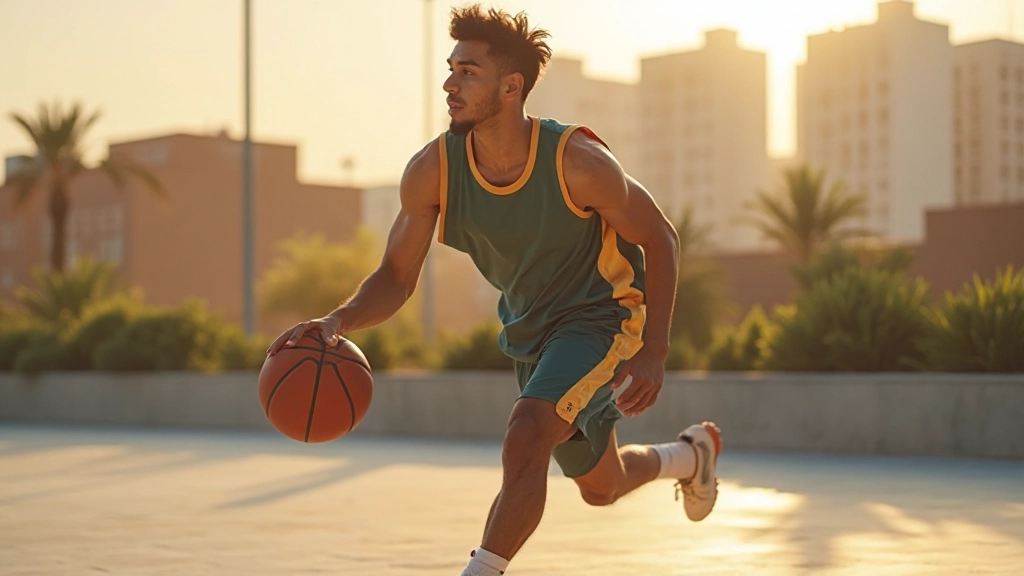
Ball handling encompasses the comprehensive control techniques players develop to manage the basketball during gameplay. Effective ball handling requires proper finger positioning, wrist coordination, and body awareness. The foundation begins with understanding how pressure distribution across fingertips—rather than the palm—allows for superior control and responsiveness.
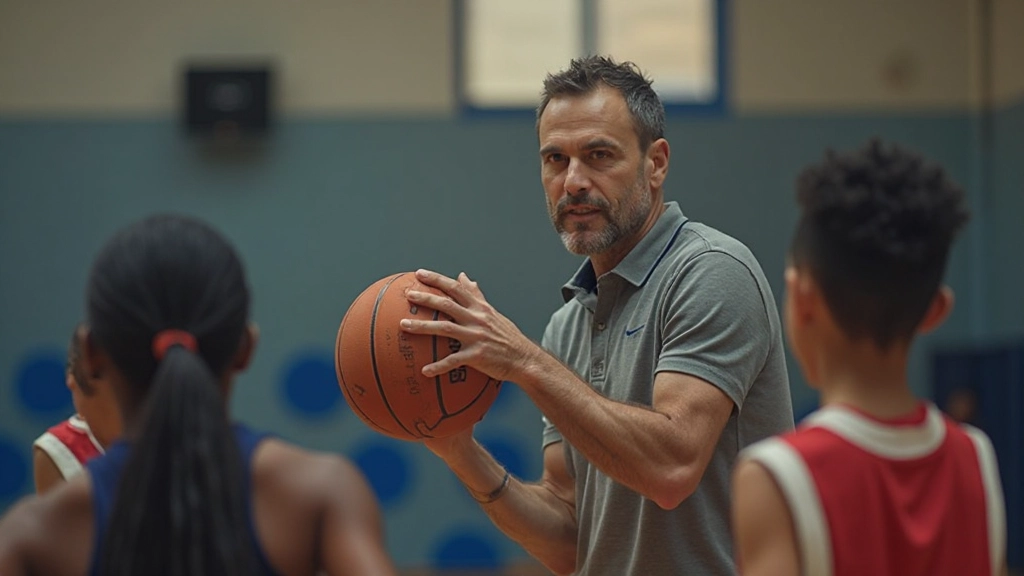
Young players typically benefit from establishing baseline skills before advancing to complex maneuvers. The basic dribble involves maintaining a consistent bounce height, keeping the ball within arm's reach, and developing a rhythm that coordinates with overall body movement. Coaches emphasize the importance of practicing with both dominant and non-dominant hands equally, ensuring balanced skill development that translates to flexible court performance.
Key Foundational Elements
- Finger control and ball contact positioning for optimal touch
- Consistent bounce height maintenance between waist and chest level
- Ambidextrous development ensuring equal hand proficiency
- Head-up positioning maintaining court awareness while dribbling
- Low center of gravity through proper knee bending and posture
Progressive Dribbling Techniques
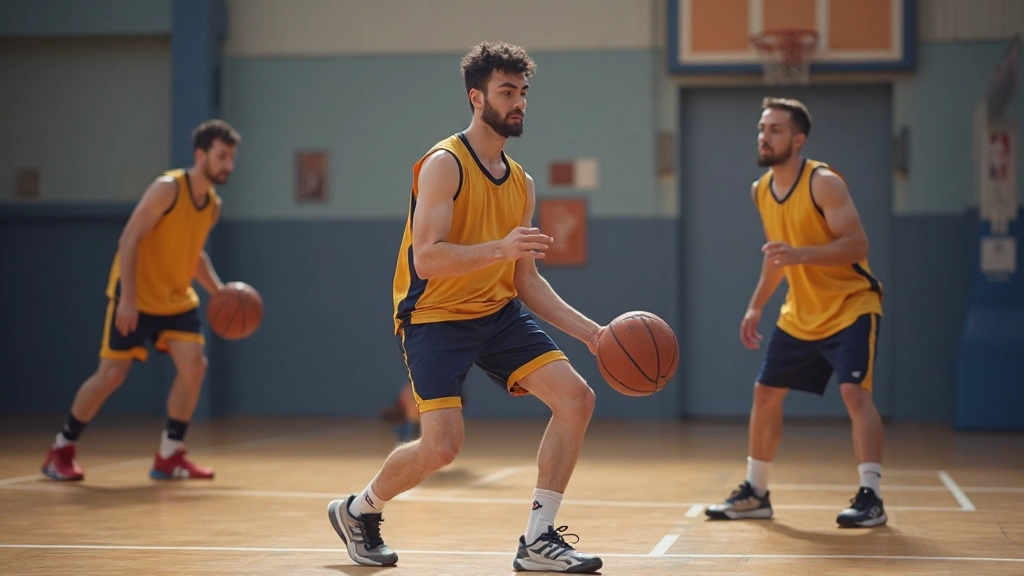
Advancing from fundamental dribbling involves introducing intermediate techniques that expand a player's offensive capabilities. The crossover dribble—bouncing the ball from one hand to the other in front of the body—serves as a foundational advanced skill. This maneuver requires precise timing, hand coordination, and understanding of defensive positioning to execute effectively.
The between-the-legs dribble represents another intermediate progression, allowing players to navigate through defensive pressure while maintaining ball control. Behind-the-back dribbling develops peripheral awareness and creates separation from defenders. Each technique builds upon fundamental skills and should be introduced progressively, with emphasis on repetition and consistent practice patterns.
Advanced players often develop combination techniques—seamlessly transitioning between multiple dribbling styles within single offensive sequences. This fluidity develops through extensive practice, understanding game situations, and building muscle memory that allows instinctive decision-making during competition.
Practical Training Methods and Exercises
Structured practice regimens significantly impact dribbling skill development. Coaches implement various drills targeting specific technical components while building overall court awareness. Figure-eight dribbling patterns—moving the ball around obstacles or cones in continuous patterns—develop hand-eye coordination and spatial awareness. These exercises can be modified for different skill levels and training objectives.
Stationary Dribbling Drills
Focused practice maintaining ball control without movement. Players develop consistent touch and finger positioning through repetitive bouncing patterns, gradually increasing speed while maintaining accuracy.
Cone Weaving Exercises
Navigating through obstacle courses while maintaining dribbling control. This develops directional changes, body positioning, and the ability to execute techniques while moving at game-realistic speeds.
Two-Ball Dribbling
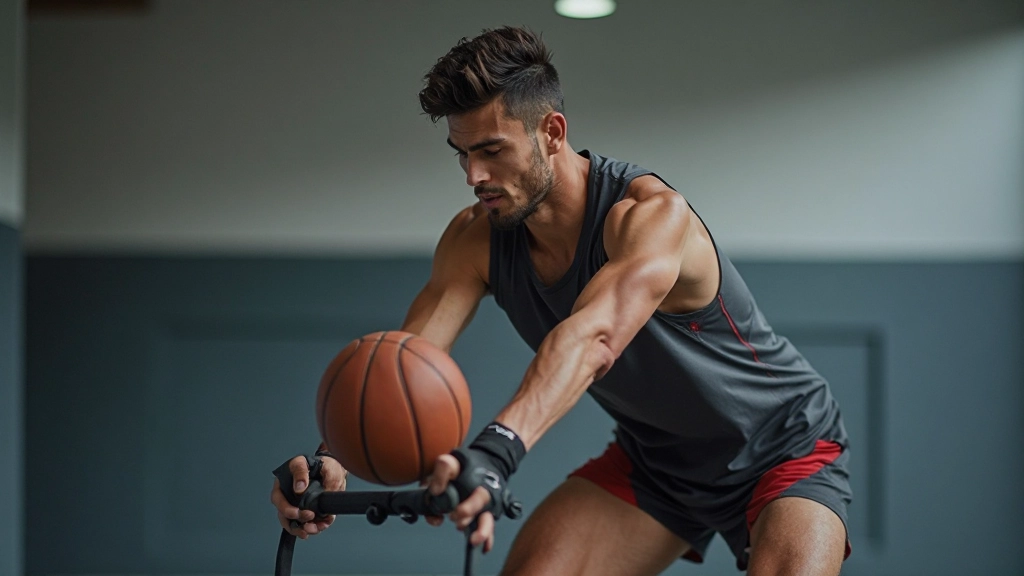
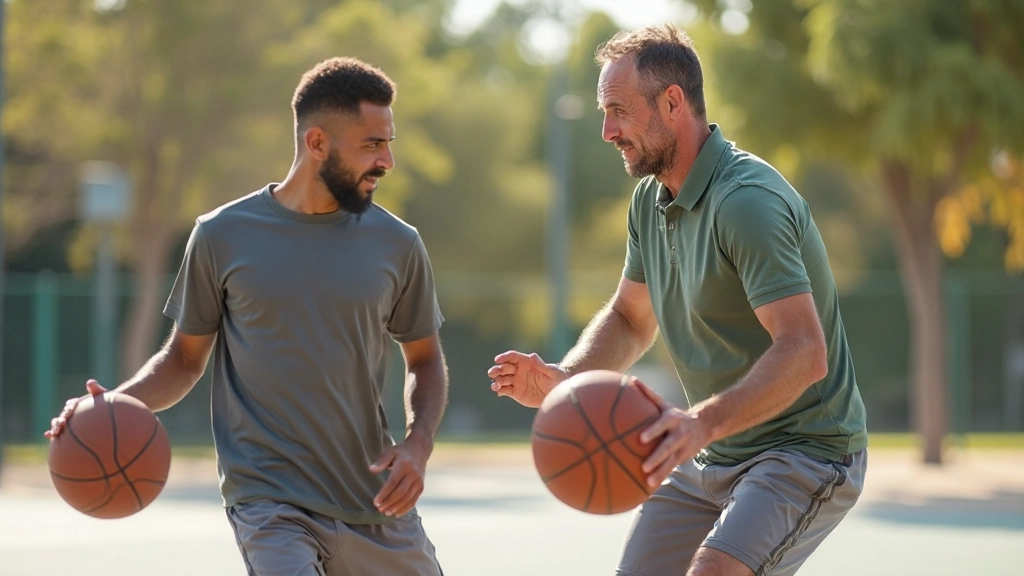
Simultaneous control of multiple basketballs enhances hand independence and coordination. This challenging progression builds muscle memory that translates to improved single-ball control and defensive versatility.
Game-Speed Transitions
Simulating competitive situations where players execute dribbling techniques under defensive pressure. These drills develop decision-making abilities and technical proficiency in realistic match conditions.
Effective training incorporates progressive difficulty levels, consistent feedback, and varied practice formats. Research in basketball skill development indicates that distributed practice—regular shorter sessions over extended periods—produces superior long-term retention compared to concentrated practice blocks. Coaches typically recommend 15-20 minutes of dedicated ball-handling work during each practice session, with emphasis on quality repetitions rather than excessive volume.
Court Awareness and Decision-Making
Technical ball-handling skills achieve maximum effectiveness when combined with superior court awareness. Elite players develop the ability to maintain dribbling control while simultaneously monitoring teammate positioning, defensive alignments, and scoring opportunities. This cognitive-motor integration separates proficient players from exceptional ones.
Developing Game Intelligence
Players who understand when to employ specific dribbling techniques—rather than simply executing flashy moves—make more effective offensive decisions. Reading defensive pressure, recognizing spacing advantages, and selecting appropriate ball-handling approaches constitute core components of basketball intelligence development.
Coaches emphasize the importance of "dribbling with purpose"—each ball-handling action should advance offensive objectives rather than merely demonstrating technical ability. Players who maintain low dribbles in congested areas, use high bounces in open court, and transition smoothly between techniques demonstrate advanced understanding of contextual game situations.
Game film analysis provides valuable learning opportunities, allowing players to observe elite professionals executing techniques in competitive situations. Understanding the relationship between dribbling decisions and resulting offensive outcomes accelerates skill development and basketball comprehension.
Addressing Common Challenges
Players developing ball-handling skills encounter predictable challenges that coaches address through targeted interventions. Inconsistent bounce control often results from improper finger positioning or inadequate practice repetition. Systematic focus on fundamental mechanics, combined with progressive drill complexity, typically resolves these issues within reasonable timeframes.
Looking Down While Dribbling
Solution: Practice with visual obstacles (cones, lines) that require head-up positioning. Gradually increase difficulty as players develop touch confidence. Video feedback helps players recognize this habit and reinforce corrective patterns.
Weak Non-Dominant Hand Control
Solution: Implement structured off-hand drills as regular warm-up components. Dedicated practice sessions focusing exclusively on non-dominant hand dribbling build proficiency. Extended practice duration yields noticeable improvements within weeks.
Traveling Violations and Ball Control
Solution: Develop footwork awareness alongside dribbling techniques. Understanding legal step counts and proper weight distribution prevents traveling infractions. Film review and deliberate practice address these coordination challenges.
Turnovers Under Defensive Pressure
Solution: Game-speed drills simulating defensive scenarios build decision-making under pressure. Practicing specific escape techniques and establishing reliable options reduces turnover frequency during competition.
Educational Information Notice
This content provides educational information regarding basketball dribbling techniques and training methodologies. It does not constitute professional coaching advice or medical guidance. Individual results and skill development timelines vary based on personal characteristics, training consistency, and coaching quality. Players should work with qualified basketball coaches and follow appropriate safety protocols during training. Injuries can occur during athletic activities—proper warm-up, equipment use, and gradual progression minimize risks.
Developing Excellence Through Systematic Practice
Ball handling and dribbling techniques represent foundational basketball skills that require systematic development through structured practice. Players who commit to progressive skill advancement—beginning with fundamental mechanics and advancing to complex techniques—establish the foundation for long-term basketball success. Combining technical proficiency with court awareness and decision-making creates versatile, effective players capable of responding to competitive situations.
Consistent practice, quality coaching, and deliberate focus on skill development yield measurable improvements. Players at all competitive levels benefit from renewed attention to dribbling fundamentals, regardless of current ability. The continuous refinement of ball-handling skills supports ongoing player development throughout competitive basketball careers.
Related Articles