Defensive Strategy and Positioning
Effective defense in basketball requires more than individual effort—it demands strategic positioning, disciplined movement patterns, and coordinated team execution. Understanding fundamental defensive principles helps players and coaches develop systems that control game tempo and limit opponent scoring opportunities.
Understanding Defensive Fundamentals
Defensive positioning begins with understanding basic principles that apply across all court sports. The foundation of solid defense rests on three core elements: proper stance, active hands, and intelligent positioning relative to both the ball and opposing players.
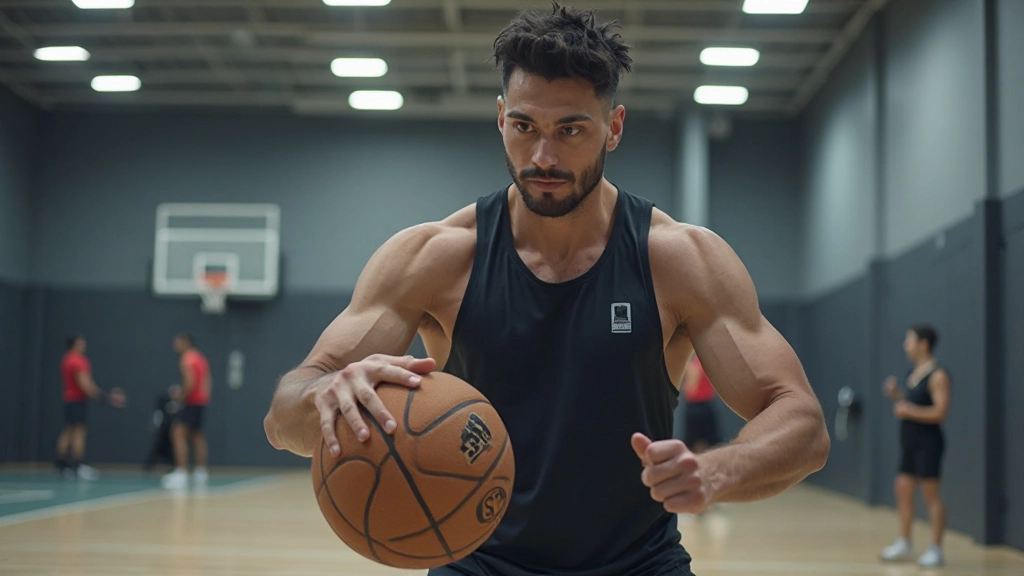
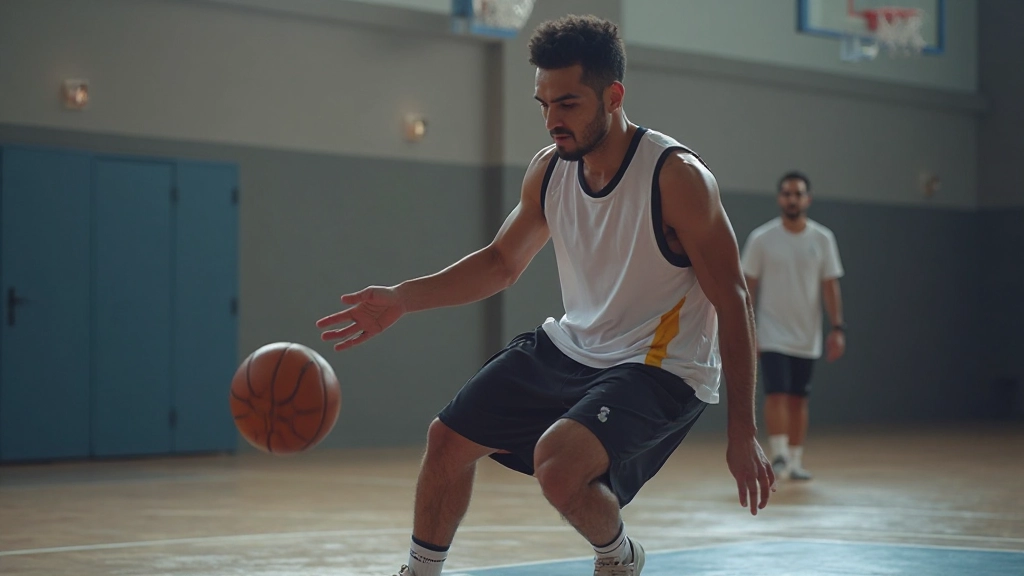
A defender's stance determines their ability to react quickly in any direction. Feet should remain shoulder-width apart with knees slightly bent, weight distributed on the balls of the feet. This athletic position allows defenders to move laterally, slide backward, or close space forward without losing balance or control.
Active hands serve multiple purposes in defensive play. Hands raised at shoulder height make it difficult for opponents to pass or shoot over defenders. This positioning also helps defenders communicate with teammates while maintaining awareness of player movement. However, hands must remain active without fouling—a critical distinction that separates effective defense from penalized defense.
- Maintain athletic stance with bent knees and balanced weight
- Keep hands active and positioned to contest without fouling
- Anticipate opponent movements rather than reacting passively
- Communicate continuously with defensive teammates
- Adjust positioning based on ball location and team strategy
Perimeter and Interior Defense Positioning
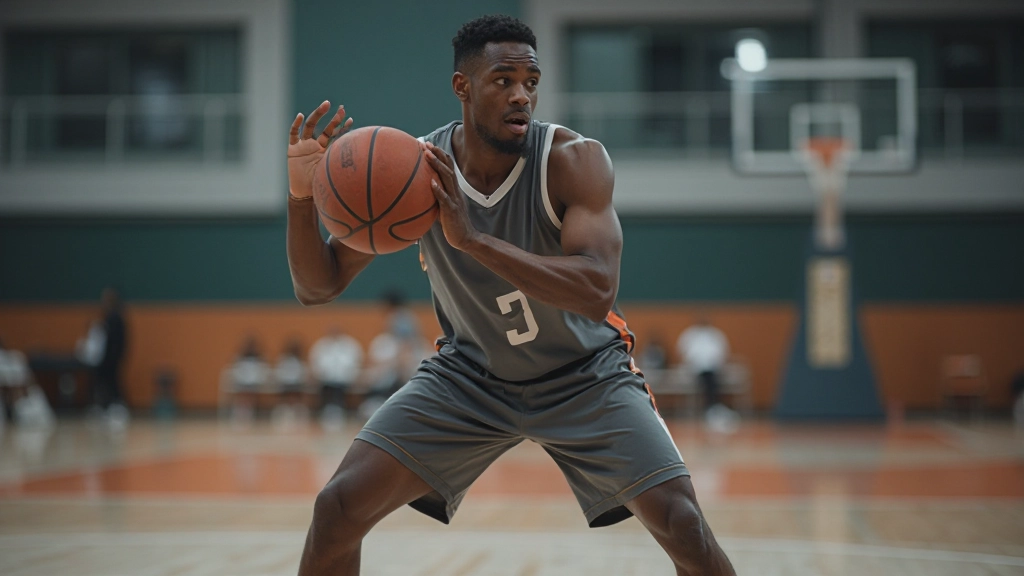
Defensive positioning varies significantly based on court location and player role. Perimeter defenders, who guard players on the outer areas of the court, employ different strategies than interior defenders who operate in the paint.
Perimeter Defense Positioning
Perimeter defenders must balance denying passing and scoring opportunities while avoiding excessive fouls. When guarding a player with the ball, defenders position themselves slightly between the ball handler and the basket, creating enough space to react to both drive attempts and passes. This positioning requires constant adjustment as the offense moves.
When guarding players without the ball, defenders make tactical decisions based on ball location and scoring threat. On-ball defenders play closer and more aggressively, while off-ball defenders can play further away, prioritizing help defense and passing lane disruption. This flexibility allows perimeter defenders to contribute to team defense beyond their direct assignment.
Hand positioning differs for perimeter defenders depending on offensive threats. When contesting outside shooters, the hand nearest the ball extends toward the shot. For players who primarily attack the basket, defenders keep hands lower and wider to contest driving angles while avoiding reaching fouls.
Interior Defense Positioning
Interior defenders guard positions closest to the basket, where positioning becomes even more critical. These defenders must protect against both direct scoring opportunities and passes into high-percentage scoring areas. Proper positioning in the paint requires understanding angles and spacing relative to the basket.
Interior defenders typically maintain lower body positions than perimeter defenders, keeping hips and shoulders closer to the basket. This positioning provides better protection against layups and dunks while allowing defenders to secure rebounds. Feet positioning near the basket differs from mid-range positioning—defenders must adjust their stance to control different scoring angles.
Communication becomes essential for interior defenders, as they often provide help defense for multiple teammates. Clear verbal signals about defensive switches, help coverage, and rebound responsibility ensure coordinated team defense. Interior defenders also manage defensive fouling carefully, as penalties in the paint directly impact scoring opportunities.
Perimeter vs. Interior Defense Positioning
| Element | Perimeter Defense | Interior Defense |
|---|---|---|
| Body Position | Upright, higher stance | Lower, more centered |
| Distance from Opponent | Further away, denying space | Closer, protecting paint |
| Primary Threat | Outside shooting and passing | Inside scoring and rebounds |
| Hand Position | Higher, contesting shots | Lower, controlling space |
| Help Responsibility | Limited, focused on assignment | Significant, protecting multiple areas |
Educational Information Notice
This content provides educational information about defensive strategies and positioning concepts used in basketball and court sports. The information presented represents general approaches and principles that may vary based on specific team systems, coaching philosophies, and competitive levels.
Individual player development, skill improvement, and team performance depend on multiple factors including proper instruction, consistent practice, physical conditioning, and game experience. Players seeking to implement these defensive strategies should work with qualified coaches who can provide personalized instruction appropriate to their skill level and circumstances.
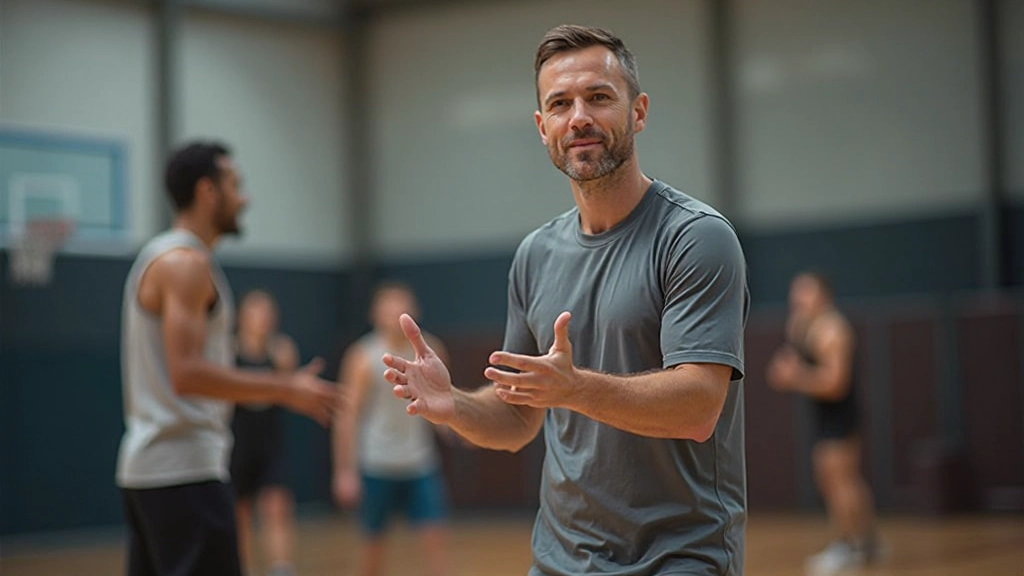
Team Defensive Systems and Positioning Strategies
Individual defensive positioning gains effectiveness through coordinated team systems. Basketball employs several primary defensive approaches, each with distinct positioning requirements and strategic advantages. Understanding how individual positioning fits into larger team systems helps players make better defensive decisions.
Man-to-Man Defense Positioning
Man-to-man defense assigns each defender direct responsibility for one opponent. Positioning in man-to-man systems emphasizes individual accountability while maintaining awareness of help responsibilities. Defenders must balance denying their assignment while remaining ready to provide help defense when teammates face difficult situations.
In man-to-man defense, positioning adjusts based on ball location. Defenders guarding ball handlers play more aggressively and closer, while off-ball defenders can play further away while maintaining passing lane denial. Help side positioning becomes critical—defenders position themselves to both protect their assignment and provide assistance to teammates.
Zone Defense Positioning
Zone defense assigns defenders to court areas rather than specific opponents. Positioning in zone systems requires different thinking than man-to-man—defenders must understand their zone responsibilities and adjust positioning as the ball moves. Zone positioning creates multiple defenders near the ball while leaving perimeter areas more exposed.
Effective zone positioning involves constant movement and communication. As the ball moves around the perimeter, defenders rotate to maintain proper spacing and coverage. Zone positioning also emphasizes protecting the paint, with interior defenders maintaining lower positions near the basket. Understanding zone geometry helps defenders position correctly without direct opponent assignment.
Switching and Coverage Adjustments
Modern defensive systems often employ switching—exchanging opponent assignments when defenders screen for each other. Switching requires precise positioning communication and mutual understanding between teammates. When switches occur, new defenders must immediately establish proper positioning relative to their new assignment.
Coverage adjustments also occur when offensive players move away from their defenders or when defensive rotations create temporary mismatches. Defenders must quickly identify open players and position themselves to deny scoring opportunities. Clear communication prevents defensive breakdowns and helps teammates understand positioning adjustments during game flow.
Advanced Positioning Concepts and Game Situations
Advanced defensive positioning extends beyond basic principles to address specific game situations and tactical considerations. Understanding these concepts helps players and coaches adapt defensive positioning to opponent strengths and team capabilities.
Pressure and Denial Positioning
Aggressive positioning that denies offensive players comfortable positioning or easy passes. Pressure positioning moves defenders closer to their assignments, creating contest opportunities but requiring strong help defense support.
Help and Recover Positioning
Defensive positioning that allows off-ball defenders to provide help against drives while maintaining ability to recover to their assignments. This positioning prioritizes paint protection while limiting offensive driving lanes.
Spacing and Gap Control
Strategic positioning that controls space between defenders, limiting passing lanes and offensive movement. Proper spacing creates defensive walls that force opponents into difficult decisions.
Positioning for Rebounding
Defensive positioning that establishes body position relative to the basket for rebound opportunities. Proper rebounding position requires low center of gravity and understanding shot trajectory angles.
Adjusting Positioning for Opponent Tendencies
Effective defensive positioning adapts to specific opponent characteristics. Teams with strong outside shooters require different positioning adjustments than teams emphasizing inside scoring. Defenders must position themselves based on opponent strengths while maintaining team system integrity.
Scout information informs positioning decisions—knowing opponent preferred positions, scoring patterns, and play tendencies helps defenders position more effectively. Players who understand opponent tendencies can anticipate plays and position more aggressively, creating more contest opportunities and turnover possibilities.
Positioning During Late-Game Situations
Late-game situations often demand positioning adjustments based on game score and remaining time. Defensive positioning might become more aggressive when protecting a lead or more conservative when trying to prevent three-point shooting. Understanding situational context helps defenders make appropriate positioning decisions.
Foul trouble also influences positioning decisions. Players in foul difficulty must adjust positioning to avoid additional fouls while still contributing to team defense. This often means playing slightly further away from assignments, accepting some risk to avoid disqualification.
Mastering Defensive Positioning for Improved Team Performance
Defensive positioning represents a fundamental skill in basketball and court sports that separates competent defenders from excellent ones. The principles discussed—proper stance, active hands, intelligent positioning relative to ball and opponents—provide the foundation for developing strong individual and team defense.
Improvement in defensive positioning requires consistent practice and repetition. Players must develop muscle memory for correct stance and positioning while building basketball intelligence about when to adjust positioning based on game situations. Coaches can accelerate this development through focused drills, game film review, and specific feedback about positioning adjustments.
Team defensive success ultimately depends on all five players understanding positioning principles and executing them consistently. When individual positioning combines with coordinated team systems, the result becomes significantly more effective than individual efforts alone. This emphasis on positioning, combined with communication and commitment to defensive principles, creates the foundation for competitive team defense.
Key Takeaways About Defensive Positioning
- Proper stance with bent knees and balanced weight enables reactive movement in any direction
- Active hands without fouling contest shots and passes while maintaining awareness
- Positioning adjusts based on ball location, opponent assignment, and team defensive system
- Perimeter and interior positioning differ significantly due to varying scoring threats
- Team systems—man-to-man, zone, switching—require different positioning approaches
- Advanced positioning concepts address specific situations and opponent tendencies
- Communication and consistency ensure coordinated team defense execution
Related Basketball Training Resources